
- Main ZIP
- 90804
- Soil Type
- Graded Fill
- Clay In Topsoil
- 10%
- Sand In Topsoil
- 63%
- Elevation
- 34 to 120 ft
- Miles To The Shore
- 1.8
- Empty Street Tree Sites
- 1,059
- Typical Home Built
- 1967
The Ground In Bryant
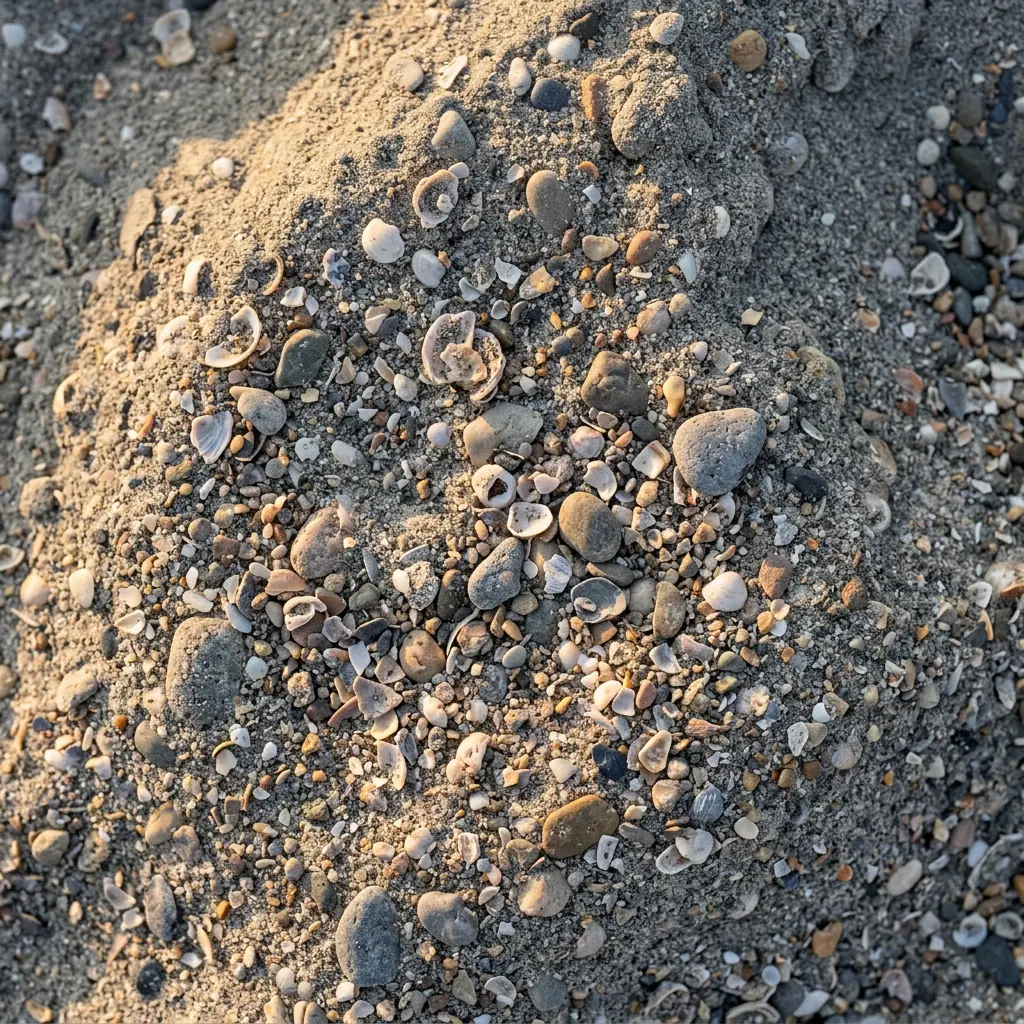
USDA maps this as Typic Xerorthents, a type marked as moved by people, over Typic Haploxeralfs. Both run about 6 to 10 percent clay and drain well. Most of the points we checked are zoned R-2-N, which means duplex style housing.
Parts of Bryant map differently too, with Terrace Loam and Heavy Clay showing up at other points we sampled. One block can differ from the next.
| Soil | Share Of Map Unit | Clay | Sand | pH | Drainage |
|---|---|---|---|---|---|
| Typic Xerorthents | 20% | 10% | 63% | 8 | Well drained |
| Typic Haploxeralfs | 15% | 6% | 70% | 6.8 | Well drained |
What That Means For Your Yard
- Graded soil changes from one spot to the next, so dig a few test holes before you design.
- Look for buried rock or old debris before you price a trench.
- Some of this ground slopes, and water on slopes needs to move slowly. Drip works better than spray.
Plants That Tend To Fit Here
- Salvia
- Rockrose
- Rosemary
- Ceanothus
- Yarrow
- Toyon
Weather And Homes
About 1.8 miles from the shore, the area gets a cool sea breeze most days without the worst of the salt. Most plants that struggle right on the sand do fine here.
Census figures for the tracts here put the typical home at about 1967. Newer tracts often have builder soil, tight side yards and shared rules. Check any HOA papers before you pick plants, though California law limits how far an HOA can go against low water yards.
About 27 percent of homes in these tracts are owner occupied and about 41 percent are houses. With a mix like that, low care plantings are often the better buy on a rental, while an owner may want more.
Your Parkway And Street Trees
A city tree inventory logged 1,059 empty street tree sites in this neighborhood. The typical logged parkway there is about 5 feet wide. If one is in front of your place, the city runs a free street tree program. Ask for a parkway tree before you plan the rest of the strip.
Your parkway follows the same city rule as the rest of Long Beach. Fake turf is out, and street trees belong to the city, so trimming one takes a Public Works permit. If you still have living lawn there, Long Beach Utilities runs a free native plant parkway kit.
Popular Work In Bryant
Questions We Hear
What kind of soil does Bryant have?
USDA maps this as Typic Xerorthents, a type marked as moved by people, over Typic Haploxeralfs. Both run about 6 to 10 percent clay and drain well. It is also rated well drained. Your own yard may differ, especially if soil was brought in, so a test is cheap insurance.
Can I put artificial turf in my Bryant parkway?
No. City code limits parkways to living plants plus permeable materials such as mulch, decomposed granite or pavers on sand, and those must cover under half of the strip. Turf is allowed in the front yard itself.
What days can I water in Bryant?
Tuesdays, Thursdays and Saturdays, before 9 a.m. or after 4 p.m., for up to 10 minutes per station, under the Level 1 rules from Long Beach Utilities.