
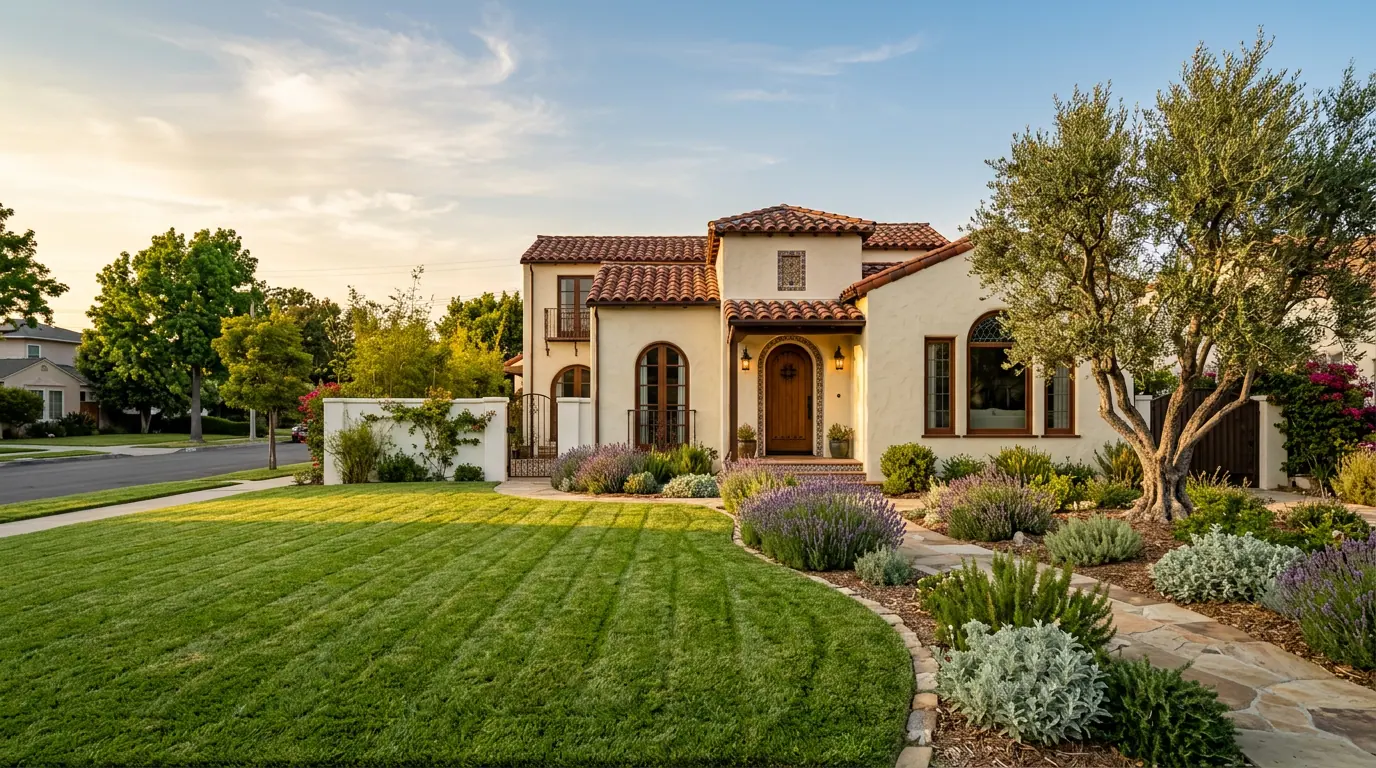
- Main ZIP
- 90814
- Soil Type
- Terrace Loam
- Clay In Topsoil
- 18%
- Sand In Topsoil
- 38%
- Elevation
- 12 to 67 ft
- Miles To The Shore
- 0.2
- Empty Street Tree Sites
- 1,780
- Typical Home Built
- 1954
The Ground In Belmont Heights
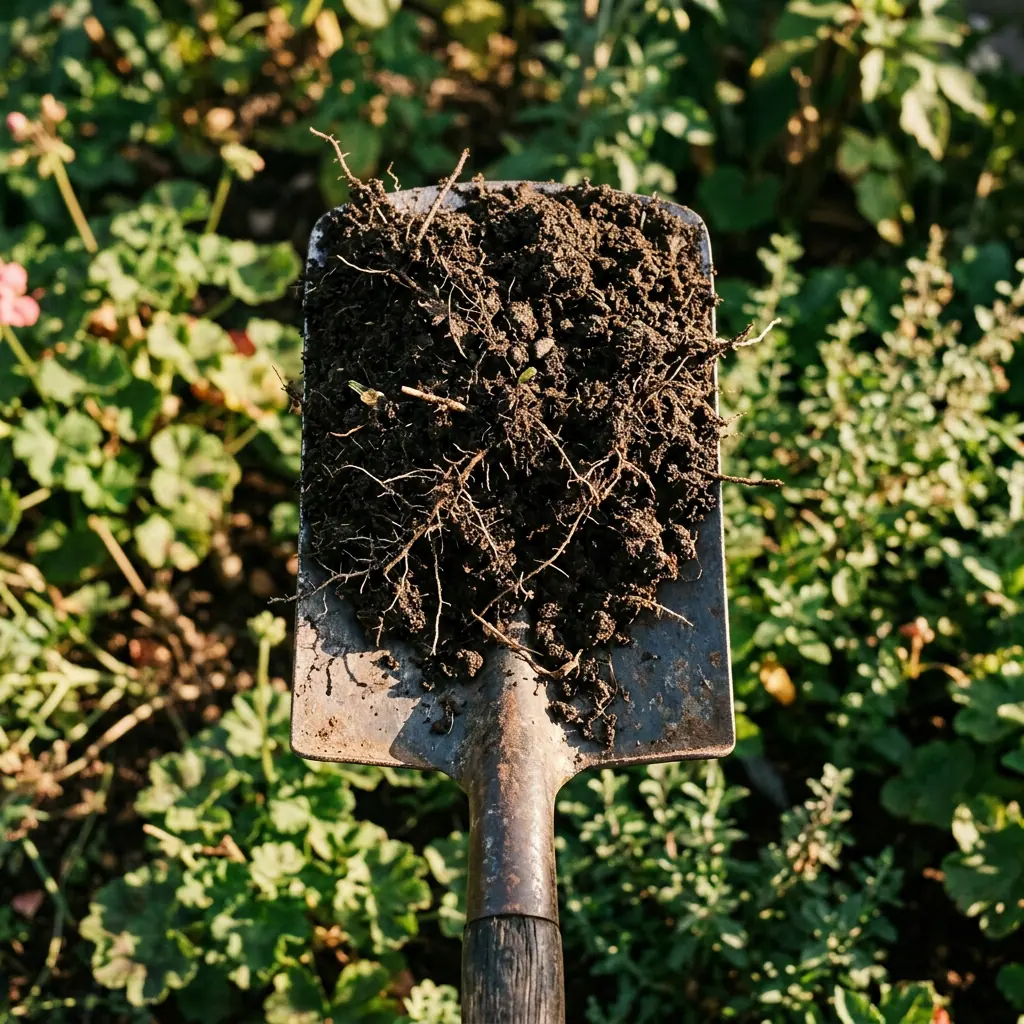
USDA maps this as Windfetch and Typic Haploxerolls, well drained loam with about 10 to 18 percent clay. Most of the points we checked are zoned P, which means parks or public use.
Parts of Belmont Heights map differently too, with Beach Sand showing up at other points we sampled. One block can differ from the next.
| Soil | Share Of Map Unit | Clay | Sand | pH | Drainage |
|---|---|---|---|---|---|
| Windfetch | 25% | 18% | 38% | 7.2 | Well drained |
| Typic Haploxerolls | 15% | 10% | 45% | 7.8 | Well drained |
What That Means For Your Yard
- Well drained loam suits most plants, so plant choice is wide open.
- USDA shows some salt in the surface layer, so a soil test is smart before you plant anything sensitive.
- Most yards here have decades of old roots, so hand dig near mature trees.
Plants That Tend To Fit Here
- Silver sage
- Ceanothus
- Toyon
- Lavender
- Deer grass
- Bougainvillea
Weather And Homes
At about 0.2 miles from the open shore, this area gets the steady salt air and marine layer. Foggy mornings cut how much water plants use, so a schedule copied from inland yards will overwater here.
Census figures for the tracts here put the typical home at about 1954. Many yards from that era still have their first sprinkler lines and foundation shrubs, and much of that is ready to go. Replacing old lines at the same time you redo a bed saves a second dig.
About 30 percent of homes in these tracts are owner occupied and about 36 percent are houses. With a mix like that, low care plantings are often the better buy on a rental, while an owner may want more.
Historic District Rules Here
Belmont Heights Historic District
About 9 percent of the neighborhood map falls inside this district. Most yards here are shallow and sit behind a narrow grass planting strip. Front fences may be fine because many lots already have one, and the guideline favors low wood or picket styles you can see through. Old driveways were often two concrete ribbons, so ribbon work is worth raising if you are replacing a slab. Read the city guideline.
The city says plantings are typically not reviewed, but fences and site changes need a Certificate of Appropriateness before a permit. See how that works.
Your Parkway And Street Trees
A city tree inventory logged 1,780 empty street tree sites in this neighborhood. The typical logged parkway there is about 4 feet wide. If one is in front of your place, the city runs a free street tree program. Ask for a parkway tree before you plan the rest of the strip.
Your parkway follows the same city rule as the rest of Long Beach. Fake turf is out, and street trees belong to the city, so trimming one takes a Public Works permit. If you still have living lawn there, Long Beach Utilities runs a free native plant parkway kit.
Popular Work In Belmont Heights
Questions We Hear
What kind of soil does Belmont Heights have?
USDA maps this as Windfetch and Typic Haploxerolls, well drained loam with about 10 to 18 percent clay. It is also rated well drained. Your own yard may differ, especially if soil was brought in, so a test is cheap insurance.
Can I put artificial turf in my Belmont Heights parkway?
No. City code limits parkways to living plants plus permeable materials such as mulch, decomposed granite or pavers on sand, and those must cover under half of the strip. Turf is allowed in the front yard itself.
What days can I water in Belmont Heights?
Tuesdays, Thursdays and Saturdays, before 9 a.m. or after 4 p.m., for up to 10 minutes per station, under the Level 1 rules from Long Beach Utilities.
Next Door To Belmont Heights
Where These Facts Come From
- USDA NRCS Soil Data Access
- City of Long Beach open map layers
- US Census Bureau, American Community Survey
- USGS Elevation Point Query Service
- Long Beach Utilities, Water Use Restrictions
- City of Long Beach memo, Green Parkways Initiative Analysis, May 4 2026
- Long Beach Utilities, Lawn to Garden Terms
- City of Long Beach, Historic Preservation
- City of Long Beach, Historic District Design Guidelines