- ZIP
- 90740
- Soil Type
- Mapped As Urban
- Clay In Topsoil
- 48%
- Sand In Topsoil
- 23%
- Elevation
- 7 to 38 ft
- Water Provider
- City of Seal Beach water, with Golden State Water serving part of the area
What Makes Seal Beach Different
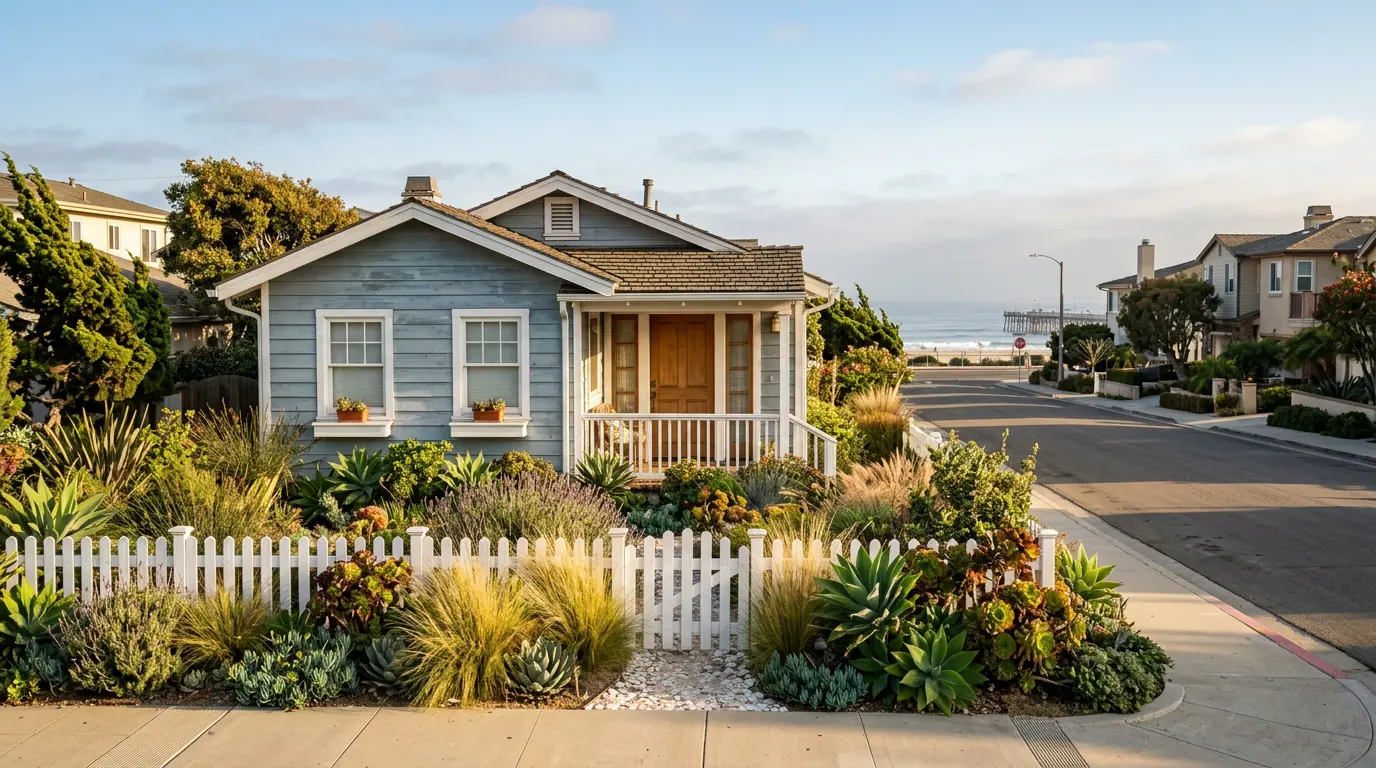
Closer to the water, plants have to handle salt air and steady breeze. Older cottages near Main Street often have tiny front yards, so a few well chosen plants do more than a full bed. Farther inland the yards get bigger and more traditional.
The Ground In Seal Beach
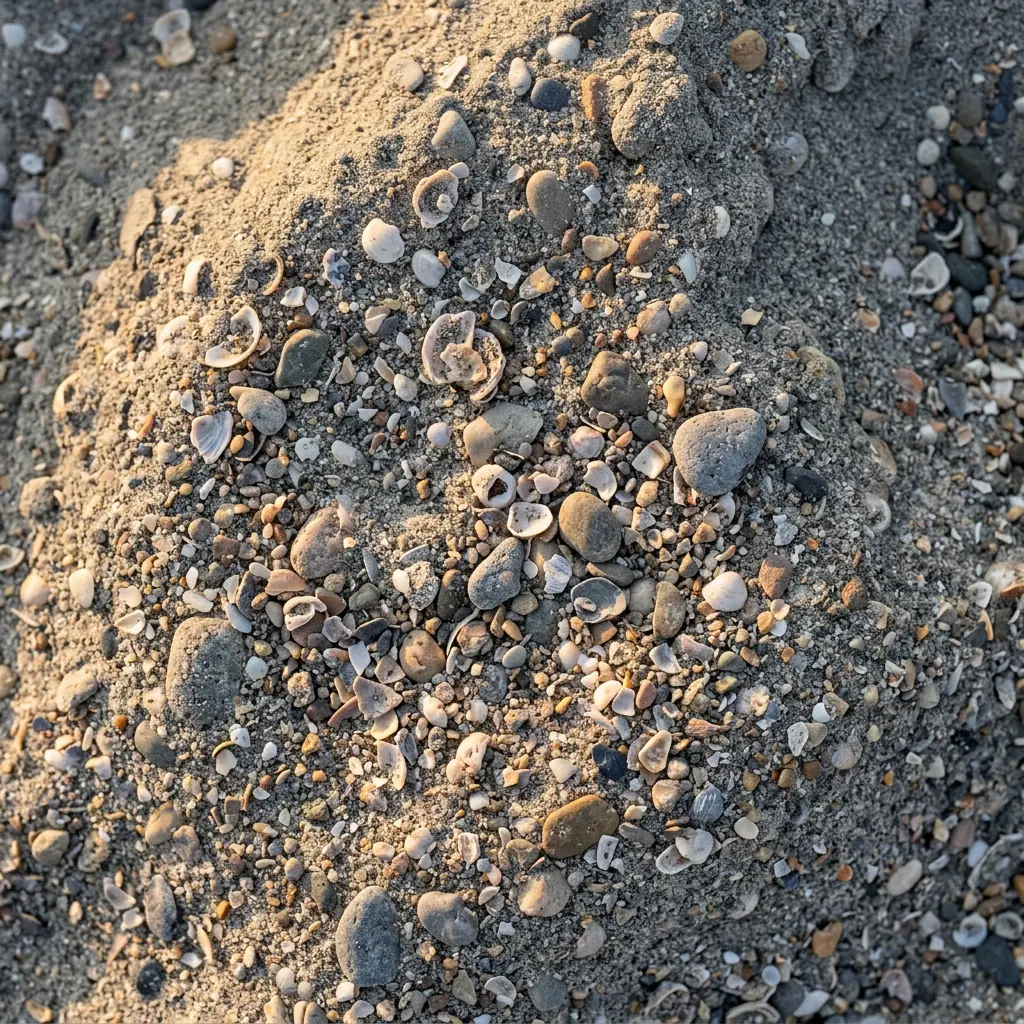
USDA maps this mostly as urban land, which means paved or built on with no soil details on file.
- The survey gives no soil numbers here, so dig and test before you pick plants.
- Yard soil may be imported, so it can change from bed to bed.
- Containers and raised beds are a safe way to start on tight lots.
Plants That Tend To Fit This Soil
- Rosemary
- Lantana
- Agave
- Lavender
- Salvia
- Dwarf olive
Watering Rules In Seal Beach
A Seal Beach press release lists a permanent ban on outdoor watering between 9 a.m. and 5 p.m., with limited exceptions. Confirm the current rule with the city before you set a timer.
Lawn Removal Rebates
Metropolitan Water District runs SoCal Water$mart, which lists $3.00 per square foot for turf replacement in its service area. Your local agency may add to that or set its own terms, and synthetic turf is not an approved conversion. Check your address on the program site and get approved before you remove any lawn.
Popular Work In Seal Beach
Questions We Hear
Do you do lawn care in Seal Beach?
Yes. Weekly and every other week lawn care is available in Seal Beach, along with pruning, cleanup and sprinkler repair. Call or text (562) 551-8873.
Do Long Beach watering rules apply in Seal Beach?
No. Seal Beach follows its own water provider, so Long Beach days do not carry over. A Seal Beach press release lists a permanent ban on outdoor watering between 9 a.m. and 5 p.m., with limited exceptions. Confirm the current rule with the city before you set a timer.
What soil is common in Seal Beach?
USDA maps this mostly as urban land, which means paved or built on with no soil details on file. Your own yard may differ, so a soil test is cheap insurance.